
Wines Shaped by Montagu
A diverse landscape. A distinctive portfolio.
Montagu is not one vineyard.
It is a collection of valleys, mountain slopes, soils and microclimates - each capable of expressing grapes differently.
That diversity is the starting point for our wines.
Our growers cultivate varieties across sites selected for their individual strengths, while our winemaking team follows vineyard performance closely throughout the season.
When it comes to our own bottled wines, selection becomes even more exacting.
We seek out parcels that demonstrate exceptional varietal character, distinctive terroir or something particularly compelling about a vintage. The result is a boutique portfolio that offers a glimpse into the many different faces of Montagu wine.
Chenin Blanc is particularly important to our bottled portfolio and allows us to explore different expressions of the variety, from fresh still wines to richer wooded styles and sparkling wine.
And then there is Muscat.
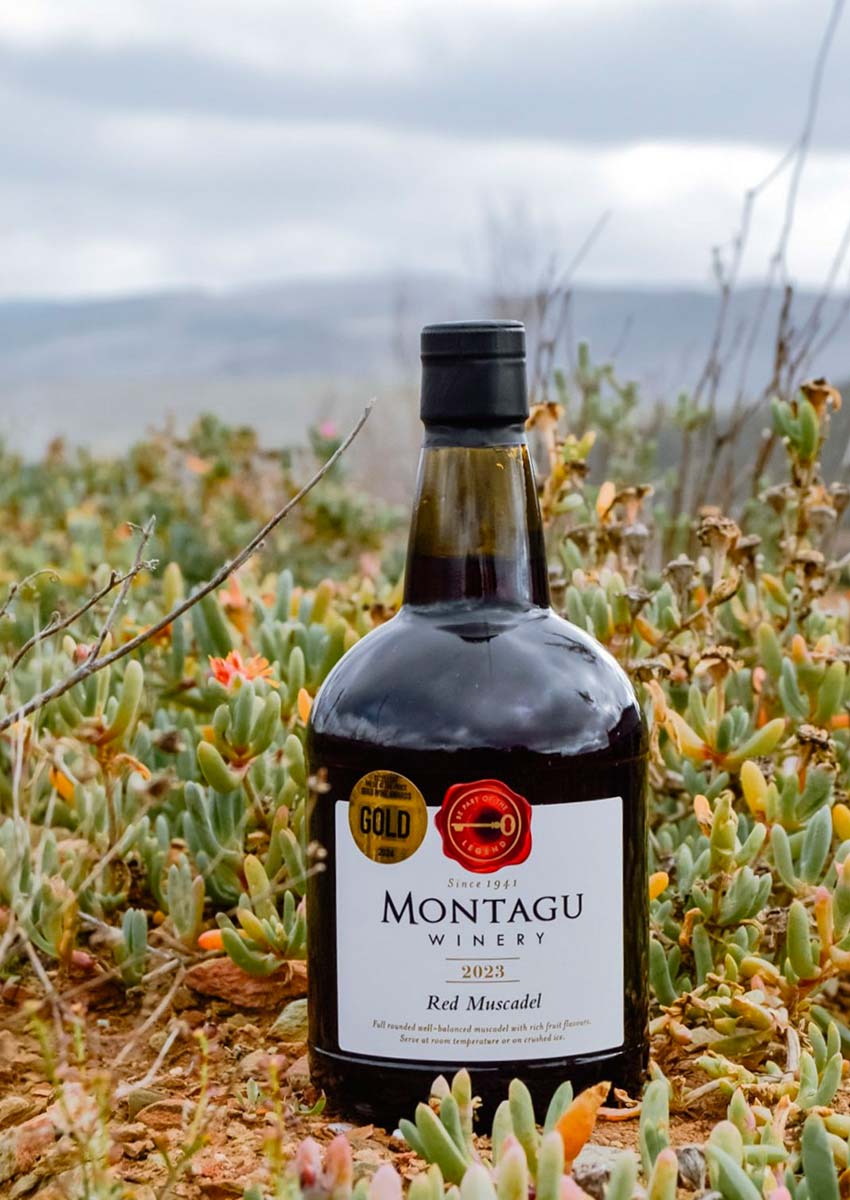
Muscadel is woven into the history of Montagu Winery and remains one of the styles for which we are best known.
Alongside that tradition, our bottled portfolio continues to evolve as our winemakers uncover new possibilities within our vineyards.
The Montagu Landscape
Diversity Begins in the Vineyard
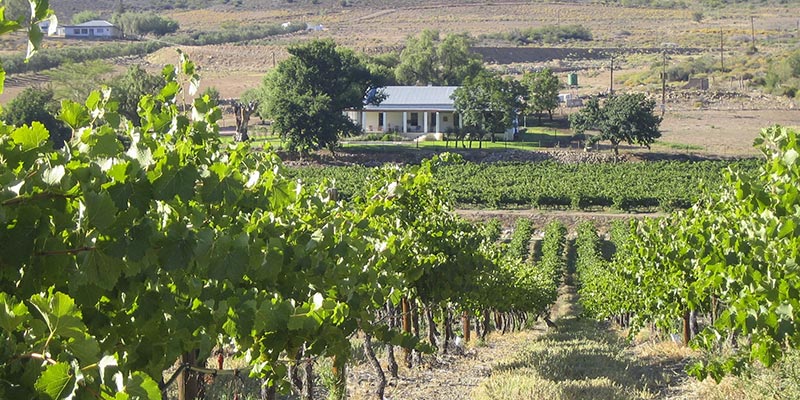
Stand anywhere around Montagu and the mountains are never far away. They shape the landscape, create the valleys, influence temperature and rainfall and provide vineyards with dramatically different elevations and exposures. For our winemakers, this is an extraordinary natural resource.
The grapes supplied to Montagu Winery are grown across a collection of areas surrounding the town:
Keisie
Baden
Pietersfontein
Patatsfontein
Rietvlei
Rietrivier
Tradouw
No two are quite the same. And that is exactly the point.
A Diverse Terroir
A Landscape of Contrasts
Our vineyards range from approximately 150 to 600 metres above sea level.
Some lie on warmer valley floors. Others climb towards cooler mountain foothills and elevated sites. Soils are equally varied, ranging from lime-rich red Karoo soils to alluvial, sandy, rocky and loamy soils on the valley floors and areas of shale closer to the mountains.
The region receives most of its rainfall during winter, while summers are typically sunny and dry.
Differences between daytime and night-time temperatures, particularly at altitude, help contribute to grape quality and flavour development.
These variations allow us to match individual grape varieties with sites where they have the greatest potential to flourish.

Understanding the Site
Right Variety. Right Place.
Site selection is fundamental to the way we approach our vineyards.
Over many years we build up a history of how individual blocks perform, learning which varieties respond best to particular soils, elevations and growing conditions.
Our winemaking team works closely with producers throughout the season and gives additional attention to vineyards earmarked for specific wines.
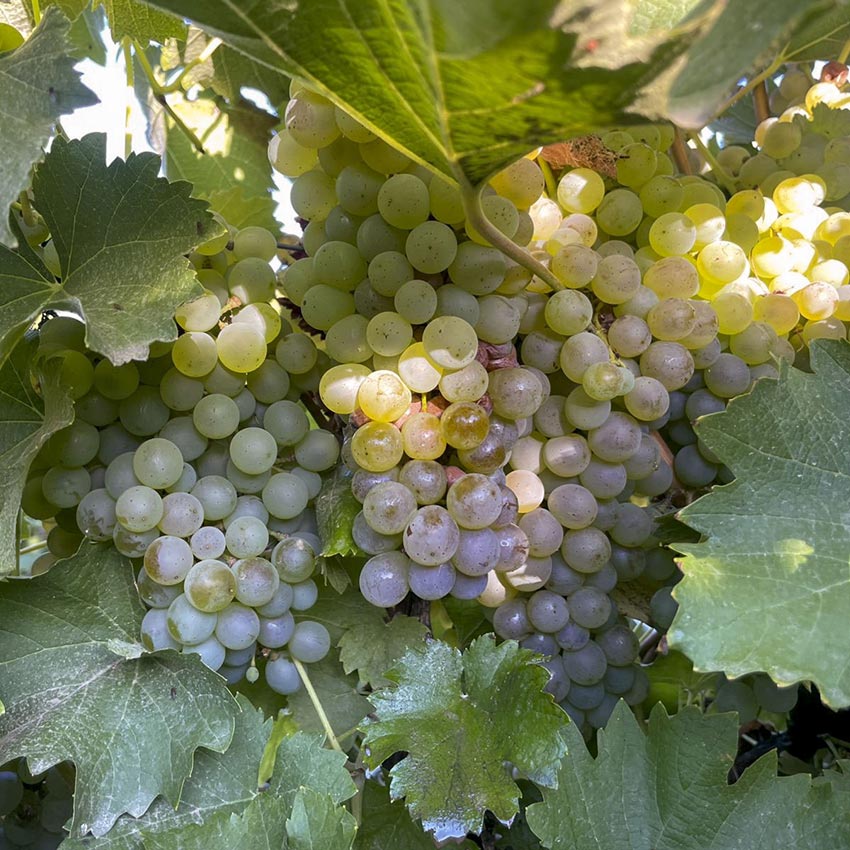
As harvest approaches, grapes are tasted regularly to monitor flavour development and determine the optimum picking point for the style of wine we want to make.
Sometimes an exceptional vineyard reveals itself unexpectedly.
The Cabernet Sauvignon vineyard behind Mont Massif, for example, was once destined to be removed before the quality of its fruit demonstrated that the vineyard was capable of something far more special.
Older Chenin Blanc vineyards also contribute valuable depth and complexity, while high-altitude sites give us exciting opportunities with varieties such as Sauvignon Blanc and Pinot Noir.
When Timing Matters
Harvest
Our grapes are harvested both by hand and by machine, depending on the vineyard and its requirements.
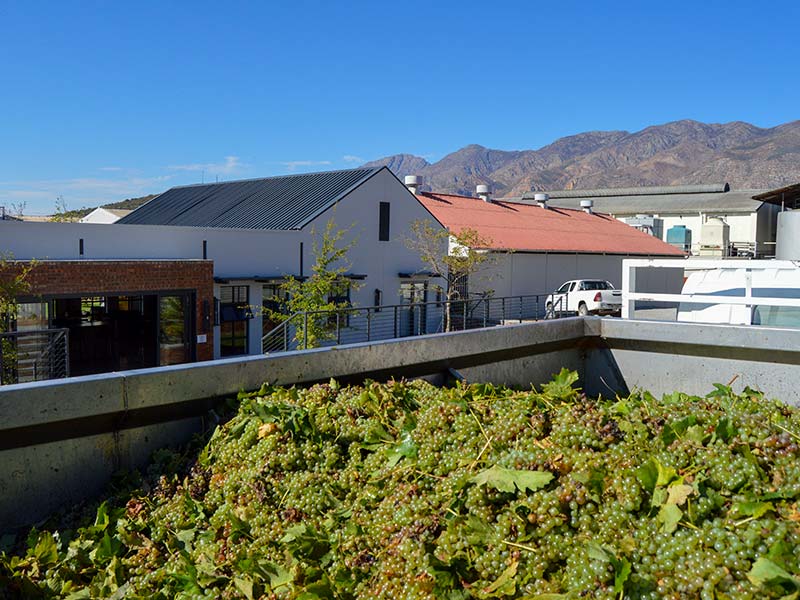
For selected parcels destined for our bottled wines, harvesting begins early in the morning wherever possible. Cooler grapes arrive at the cellar in better condition, allowing our winemakers to preserve freshness and fruit character from the very beginning.
White Winemaking
Our approach to white wine is generally fresh, precise and fruit-driven.
Many of our white wines are fermented in stainless steel under temperature-controlled, reductive conditions to preserve varietal aroma and freshness.
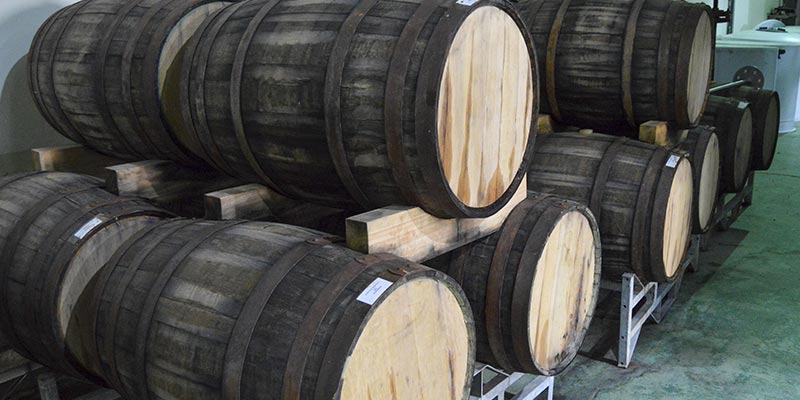
Depending on the wine, we may also use barrel fermentation or maturation to introduce additional texture and complexity.
There is no single recipe. The vineyard and intended wine style determine the approach.
Red Winemaking
For our red wines, techniques may include cold maceration before fermentation, followed by pump-overs or punch-downs to gently extract colour, flavour and tannin from the skins.
Once alcoholic fermentation is complete, the wines undergo malolactic fermentation.
Selected wines may then be matured in barrel, depending on the style we are seeking to achieve.
A Living Tradition
Our Muscadel Tradition
Muscadel is where heritage and winemaking come together particularly clearly at Montagu Winery.
For our traditional sweet style, Muscat grapes receive approximately 12 to 24 hours of skin contact before the juice is separated from the skins and clarified.
The juice is fortified before fermentation begins, preserving its natural grape sweetness and producing a rich Jerepigo-style wine at approximately 16% alcohol.
The technique may be traditional, but vineyard selection remains essential.
Because our Muscat vineyards grow across such varied terroirs, their flavour profiles can differ considerably from one vineyard to another.
Each year, our winemakers taste through these vineyards and select the parcels best suited to the wines we want to bottle.
Tradition does not mean doing exactly the same thing every year.
It means understanding the style well enough to know how best to express each vintage.
Guided by the Vineyard
Our Winemaking Philosophy
We prefer not to impose ourselves unnecessarily on a wine. Our job is to understand the fruit, guide the process and intervene where needed - without losing sight of what the vineyard gave us in the first place. We draw on both modern New World winemaking and time-tested traditional techniques, choosing the method that makes the most sense for each wine. The objective remains simple.
"Let the cultivar speak. Let the vineyard show."